What Is a Verified Mark Certificate (VMC)?
A Verified Mark Certificate (VMC) is a digital certificate that certifies the authenticity/ownership to display a BIMI logo. A VMC is used as part of a BIMI Record, which allows senders to display their company's logo directly next to email messages at inbox providers like Yahoo! and Gmail. The purpose of the VMC certificate is to add another layer of authentication and trust to BIMI records to ensure no spoofing/phishing operations can fake a company's valid logo.
How Does a VMC Work in a BIMI Record?
When an inbox receives an email message, the mail server performs standard authentication tests (SPF, DKIM, and DMARC). If the message is DMARC compliant, the server will check if the sending domain has a valid BIMI Record and validate the BIMI Record.
When it comes to a VMC, the mail server takes the URL specified in the l tag, which is the location of the logo image to be displayed. If that tag is valid, the server takes the URL from the a tag, which specifies the location of the VMC, and checks if the certificate validates the published logo. If it's verified by the VMC, the BIMI logo can be displayed next to the message in the inbox of the recipient.
BIMI is becoming more supported and utilized by inbox providers throughout the email industry, so now is a great time to get started on your BIMI journey with a VMC.
BIMI Begins with DMARC Need DMARC Help?
During the approval process for a VMC, proof that the logo to be used is an approved trademark must be provided. Since the trademarking process can be expensive and cumbersome, smaller businesses tend to avoid the process, but still want to adopt BIMI.
If your business lacks the required registered trademark (or funds) for a VMC, a Common Mark Certificate (CMC) could be a better option. CMCs are easier to acquire, so more senders can utilize BIMI, which is great news for business email in general.
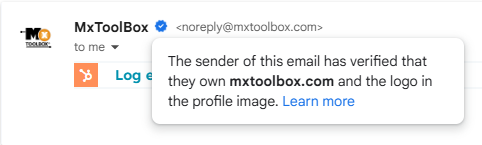
However, since VMCs offer your emails a blue BIMI verified checkmark with your selected logo, they can create a boost for your brand and sender reputations. Plus, a trademarked logo provides more recognition and trust with customers, which might be worth the extra investment.
Key Differences Between VMC and CMC for BIMI
- A VMC requires a trademarked logo, whereas a CMC only requires 12 months of logo usage.
- The validation process for a CMC is easier to obtain and avoids aforementioned logo trademarking obstacles.
- VMCs display a blue BIMI verified checkmark and your brand’s logo, but CMCs show only your specified logo.
- A CMC helps with credibility and authenticity of your messages, but a VMC with a trademarked logo included offers more recognition and brand trust.
If you want more information about CMCs, read our blog post.
Who Created the VMC Option?
The VMC technology was co-developed by Entrust Datacard—a provider of digital verification solutions—and the BIMI AuthIndicators Working Group—a committee of companies, such as Google and Verizon Media Group, aiming to increase the use of authentication to reduce email fraud.
Together, these two reputable entities are leading the BIMI standard to heightened levels of protection to safeguard email users against harmful phishing, spoofing, and spam attacks worldwide.
Why Are Verified Mark Certificates Important?
VMCs are critical for businesses that want to enhance their online reputation and demonstrate the quality of their products. By providing a level of security to delivered emails, companies that adopt the BIMI and VMC standards reinforce trust among their clientele and create a sense of confidence in their brand. In other words, VMCs put your customers’ minds at ease.
With the growing utilization of BIMI, DMARC, and other email authentication standards, businesses will be able to improve their online reputations via email delivered to inboxes and combat email fraudsters. These authenticated messages received by current and potential customers are instantly recognizable and trusted brand marks. At MxToolbox, we want to help your company achieve its email deliverability potential.
Learn More about Delivery Center Need DMARC Help?